
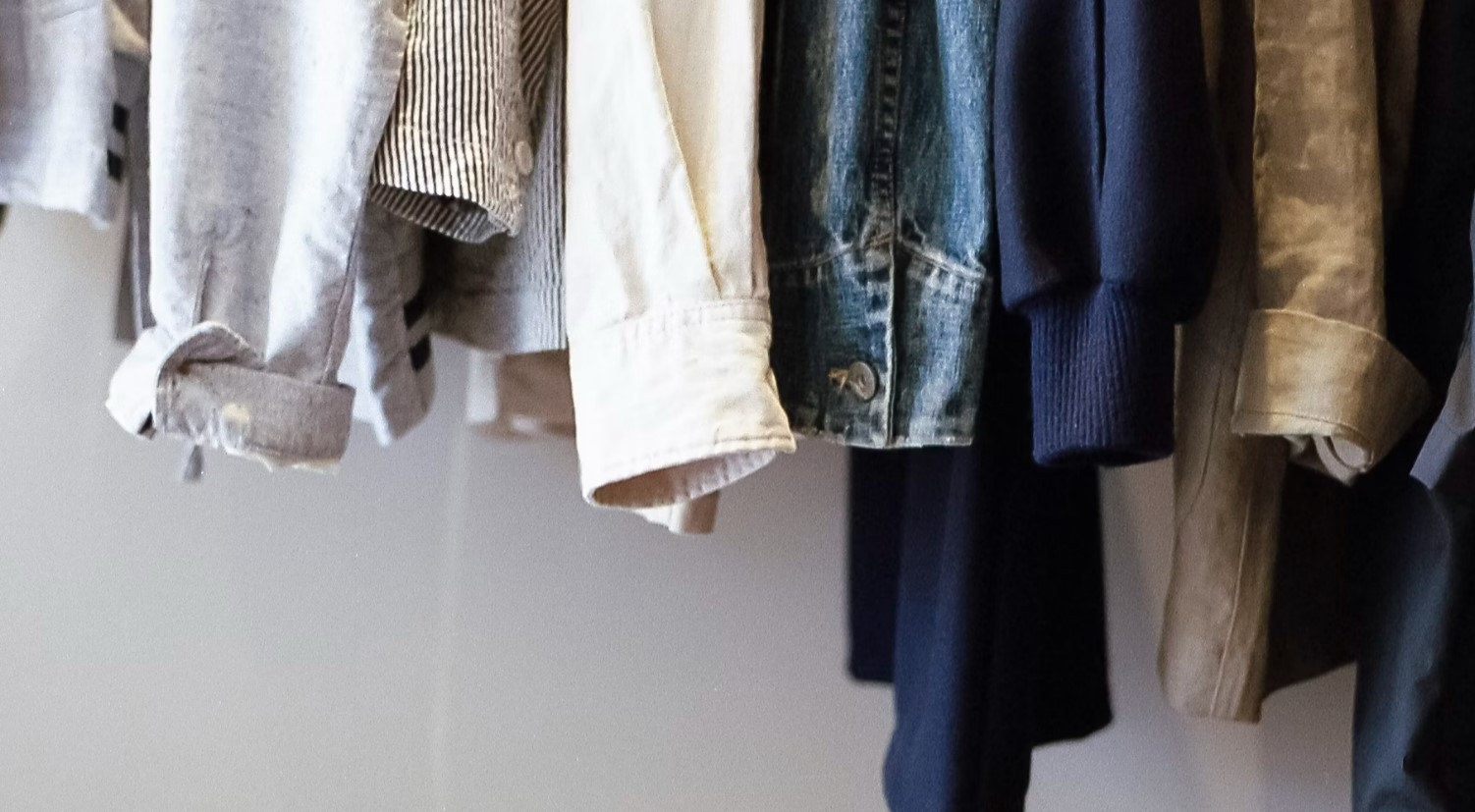
Over the past few years, fashion has seen an eclectic mix of traditional and contemporary styles, with an extra sprinkle of sustainability. The world of fashion is pulsating with fresh and inspiring trends, each echoing a perfect balance between avant-garde styles and eco-friendly practices.
The Latest Trends in Women’s Fashion
The first trend that has taken center stage is the revival of vintage styles. Nostalgia is being stitched back into fashion as ’70s flares, ’80s shoulder pads, and ’90s grunge make a striking comeback. But what’s interesting is the approach; fashionistas worldwide are now diving into thrift stores or their mothers’ closets to bring these trends to life, contributing to a circular economy.
Next is the rise of earthy tones, a breath of fresh air from the neon rage of past seasons. Muted greens, dusty blues, warm browns and other earth-inspired hues are being embraced heartily, reflecting our increasing affinity for nature and sustainable living. This trend is taking over everything, from chunky knit sweaters to flowy maxi dresses, adding a comforting touch to the modern woman’s wardrobe.
Lastly, the trend of minimalism, or ‘capsule wardrobes’, is gaining momentum. Women are curating compact, versatile wardrobes consisting of a few essential pieces that can be mixed and matched to create a variety of looks. The result is less waste, less fast fashion, and more creativity. It’s a beautiful marriage of personal style and environmental consciousness.

Unraveling the Latest Trends in Men’s Fashion
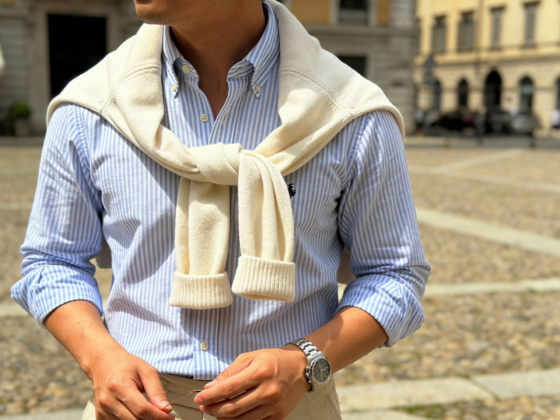
Men’s fashion has also witnessed an evolutionary fusion of style and sustainability, creating a dynamic arena where tradition meets modernity. Today’s men are more fashion-conscious than ever, and they’re embracing trends that not only make a statement but also support the planet.
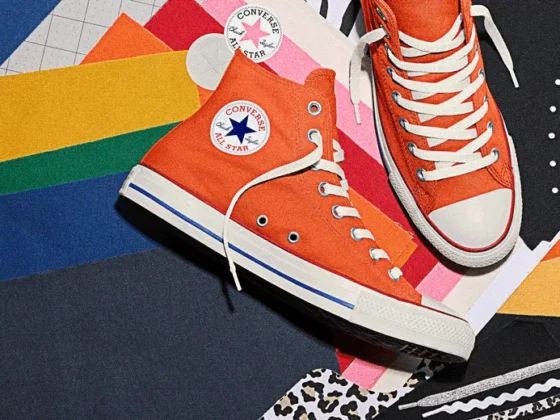
First off, athleisure has risen beyond the ranks of a mere trend. Comfort is now the new chic, with sports-inspired clothing including joggers, hoodies, and trainers becoming a significant part of men’s daily wear. While this trend is all about style and comfort, it’s also pushing boundaries towards sustainability with eco-friendly materials such as organic cotton, recycled polyester, and Tencel being increasingly used.
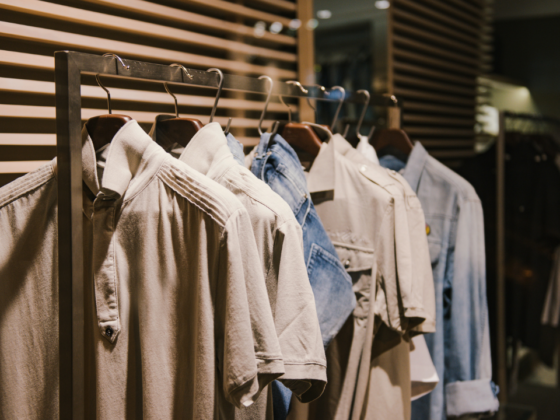
The incorporation of traditional textiles is another rising trend. Whether it’s Japanese denim, Indian khadi, or African kente, men are embracing these globally diverse and often sustainable fabrics, fostering an international brotherhood of fashion. These textiles not only introduce unique aesthetics and stories into a man’s wardrobe but also support traditional artisans and practices.
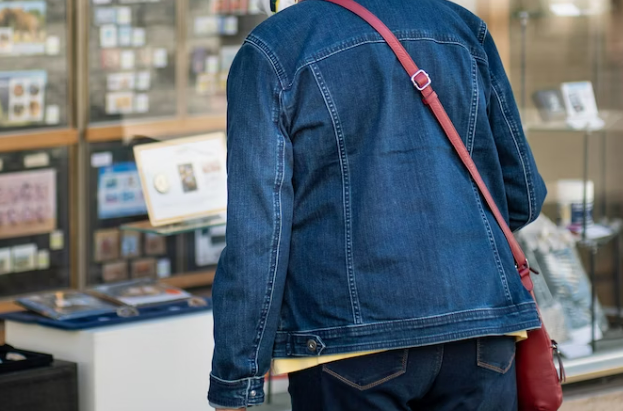
Finally, the ‘less is more’ philosophy is seeping into men’s fashion, just as it has in women’s. Men are investing in timeless, high-quality pieces rather than expendable fast fashion items. From versatile blazers to classic leather boots, these staples allow for countless combinations, reducing the overall consumption and wastage associated with fast fashion.
The Convergence of Fashion and Sustainability
Fashion and sustainability may have been at odds once, but recent trends have showcased an inspiring union between the two. In a world where climate change is no longer a distant fear but a palpable reality, the fashion industry, once a significant pollutant, is now leading the way towards a greener future.
A major driver of this change has been the rise of eco-conscious materials. Brands, big and small, are sourcing organic, recycled, and bio-based materials for their collections. From pineapple leather to recycled plastic fabric, the fashion industry is becoming a hotbed of innovative and environmentally friendly materials.
Alongside this, the concept of ‘slow fashion’ has emerged as a strong counterpoint to the industry’s previous ‘fast fashion’ model. Slow fashion emphasizes quality over quantity, with garments designed for longevity and produced ethically. It encourages thoughtful purchasing habits, moving away from seasonal trends and towards timeless pieces that can be loved and worn for years.

The third and most striking trend is the consumer shift towards sustainable brands. Customers are no longer swayed by just design and price; they demand transparency and ethics. Fashion houses that prioritize environmental and social responsibility are gaining favor, indicating a promising trend towards a more sustainable industry.
Finally, we cannot ignore the influence of technology in forging the bond between fashion and sustainability. Innovative technologies such as 3D printing, virtual fitting rooms, and AI-driven sustainable sourcing platforms are playing crucial roles in reducing waste and improving efficiency in the fashion industry. It’s not just about making clothes; it’s about creating a sustainable future.
As the latest trends in men’s and women’s fashion clearly depict, the industry is in the midst of a powerful transformation. Style and sustainability are no longer seen as mutually exclusive but have become the defining elements of modern fashion. From the adoption of vintage styles to the embracing of slow fashion principles, the industry is shaping a world where we can express ourselves without compromising our planet’s well-being.